The Ultimate Guide to Material Management: Strategies, Best Practices, and Technology
Material management is a vital aspect of business operations that encompasses the planning, procurement, storage, and distribution of materials. Efficient supply chain management and seamless production processes depend on this function. Businesses can drastically cut waste, improve supplier relationships, and save a lot of money by employing sophisticated material management systems and optimizing material inventory management. The fundamentals of material management, its importance, essential elements, difficulties, and the influence of technology on operational efficiency will all be covered in this guide.
What is Material Management?
Planning, sourcing, storing, and controlling the materials required for business and production operations are all part of the methodical process of material management. It is essential for supply chain optimization because it guarantees that the appropriate materials are available when needed, reducing excess inventory and enhancing procurement effectiveness.
ERP systems and material management software give companies real-time information about demand forecasting, supplier performance, and inventory levels. This data-driven strategy improves operational efficiency by helping businesses to maintain an ideal supply and demand balance.

Importance of Material Management
- Cost Reduction : Organizations can minimize holding costs, cut waste, and streamline procurement procedures through efficient material resource planning.
- Enhanced Productivity : Production delays are avoided by guaranteeing the availability of raw materials when required. For instance, manufacturers can improve production flow and cut lead times by implementing just-in-time (JIT) inventory practices.
- Inventory Optimization : Better financial management results from preventing stockouts and overstocking with material inventory management software. Using sophisticated inventory control systems can help businesses lower the costs associated with keeping inventory.
- Better Supplier Relationships : Through the simplification of procurement procedures, integrated material management cultivates trustworthy supplier partnership.
- Waste Minimization : Waste can greatly be decreased by using appropriate inventory control and procurement procedures.
Key Components of Material Management
- Material Planning : To maximize procurement strategies, material planning entails demand forecasting, historical data analysis, and the use of material planning software.
- Procurement : For efficient material management, contracts must be negotiated, suppliers must be chosen and managed, and procurement best practices must be followed.
- Inventory Control : Using BOM management systems track material usage, keeping an eye on stock levels, and establishing reorder points are essential elements.
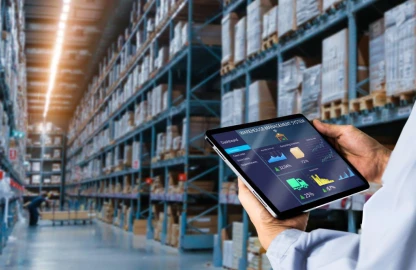
- Storage and Warehousing : Material inventory management software helps ensure that materials are handled, stored, and retrieved in warehouses in an appropriate manner
- Logistics and Distribution : Supply chain management and transportation management guarantee and transportation management guarantee timely material delivery, which is essential for adhering to production schedules.
Best Practices for Effective Material Management
- Implementing ERP Systems : Supply chain coordination, inventory tracking, and procurement are all automated when accounting for materials using best ERP software.
- Just-in –Time Inventory : By obtaining materials only when required for production, this tactic lowers holding costs.
- Optimizing Supplier Selection : Analyzing the dependability of suppliers and broadening sourcing tactics can help prevent supply chain interruptions and enhance supplier performance in general.
- Conducting Regular Inventory Audits : By routinely comparing inventory records with actual stock levels, inconsistencies can be avoided and inventory can be improved.
- Leveraging AI and Automation : Material planning software with AI capabilities can forecast demand and maximize stock levels

Challenges in Material Management and Solutions
- Inaccurate Demand Forecasting : Demand prediction errors can be decreased by implementing data-driven analytics and artificial intelligence tools.
- Storage Constraints : Space management and storage capacity can be enhanced by implementing automation and smart warehouse solutions.
- Supplier Reliability Issues : The risk related to supplier reliability can be reduced by implementing strict quality checks and diversifying supplier sources.
- High Procurement Costs : Significant cost savings can be achieved by negotiating long-term contracts, buying in bulk, and using strategic sourcing techniques.
Role of Technology in Material Management
- ERP Systems : ERP software combines all material-related operations, optimizing decision-making through automation and real-time insights.
- AI and IoT : Forecasting tools increase the management of material inventories and optimize storage options, which results in more effective operations.
- Blockchain Technology : By monitoring materials from acquisition to manufacturing, this technology improves accountability and traceability and guarantees transparent supply chains.
- Material Inventory Software : This software enhances decision-making and lowers the risk of stock outs by automating stock management and supplying precise inventory data.
Conclusion
Material management is a cornerstone of efficient business operations, ensuring seamless procurement, inventory control, and supply chain coordination. By leveraging advanced material management systems, ERP solutions, and AI-driven tools, businesses can optimize resources, minimize waste, and enhance overall efficiency.
Implementing best practices such as just-in-time inventory, supplier optimization, and regular audits will help businesses improve productivity and reduce costs. As technology continues to evolve, adopting innovative solutions like AI, IoT, and blockchain will further streamline material management processes.